
Implementing the Middle Way Method
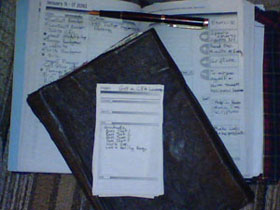
Wow — a new year, a new planning method, and a new planner. We’re all set… or are we? As you recall from the introductory article, I created the Middle Way Method to combine the best aspects of top-down and bottom-up planning. Soon after creating the methodology, I realized I needed a planner to put it into practice — what I now call the Middle Way notebook. Last month, I showed you how to create one of your own.
Now let’s look at how the method, system, and journal work together. This walkthrough follows the step-by-step weekly process using real-life examples. My weekly planning usually takes 15–30 minutes, unless I journal longer.
Step 1: Review Mission and Vision Statements
Each Sunday night or Monday morning, I review my mission and vision statements to confirm they still resonate. If they no longer reflect my direction, I revise them. These documents are meant to evolve — they should mirror who you are becoming, not lock you into the past.
Most people can fit several revisions on the forms. If space becomes limiting, draft digitally or on extra pages, then copy the final version into your planner.
Developing these statements can feel intimidating. They ask big questions: Who am I? Where am I going? Vision writing is easier if you imagine your future self having already achieved the growth you seek.
Remember: you can’t chart a course until you know where you are.
The Weekly Form
The Weekly Form is the compass of the system. It provides a full overview of your life for the coming week and serves as the anchor for most steps in the method.
Step 2: Goal and Task Setting
Review your goals and projects. Decide what still matters. Remove outdated goals and add new ones.
Example:
Big Picture Goal: Earn CPA License
Steps: Complete master’s degree, pass exams, gain work experience
Weekly Actions: Current coursework assignments
This connects daily effort to long-term direction.
Step 3: Reflection Journaling
Spend 5–30 minutes journaling about the previous week. Reflect on accomplishments, setbacks, and meaningful events.
Questions to consider:
- What challenges did I face?
- How did I overcome them?
- What blocked progress?
Reflection clears mental clutter and prepares you for the next week.
Common challenges include:
- Procrastination
- Time-wasting distractions
- Family interruptions
Strategies include protecting focus time and scheduling responsibilities intentionally.
You can use the included journal template:
Download:
Journal Template
Step 4: Define Weekly Roles
Roles represent parts you play in life — parent, partner, employee, student, citizen, etc. Choose 3–5 roles to emphasize this week.
Roles tied to relationships often involve serving others’ needs or expressing intentional kindness.
Example roles:
Husband/Father
Business Partner
Student
Add chosen roles to your Weekly Planner sheet.
Step 5: Set Ancillary Goals
Balance your life across four areas:
- Spiritual
- Mental
- Physical
- Social
These goals prevent over-focusing on one domain. Some people also write a brief weekly vision to anchor priorities.
Step 6: Process the Inbox
Inspired by David Allen’s GTD concept, this step captures loose information — emails, notes, scraps of paper — and integrates them into your planner.
Capture tools might include:
- Email inbox
- Pocket notebook
- Loose paper
Weekly processing ensures nothing important is lost.
Step 7: Review Current Projects
Examine active projects. Remove completed ones. Identify next actions and place them on the weekly sheet.
Project cards help track sequential steps without crowding your planner.
Completing these steps forms a 15–60 minute weekly ritual that aligns your daily actions with larger goals.
Daily Reviews
Each day, scan your action list and prioritize tasks. Group similar actions for efficiency, such as batching phone calls.
Weekly structure supports daily momentum.
Weekly Example Summary
A sample weekly planning session:
- Retrieve planner and journal
- Review mission and vision statements
- Journal about last week’s challenges
- Define roles (Husband/Father, Business Partner, Student)
- Set physical, social, intellectual, and spiritual goals
- Establish weekly vision
- Process inbox items
- Review project actions
Reflections on the Method
The Middle Way Method developed over a year of experimentation. Its strengths include:
- Maintaining focus on what matters
- Structuring weekly planning without rigidity
- Connecting big-picture goals to daily execution
Originally posted on D*I*YPlanner.
Subscribe via RSS